9 hr
Ruta de Las Flores & Coffee Plantation Day Trip
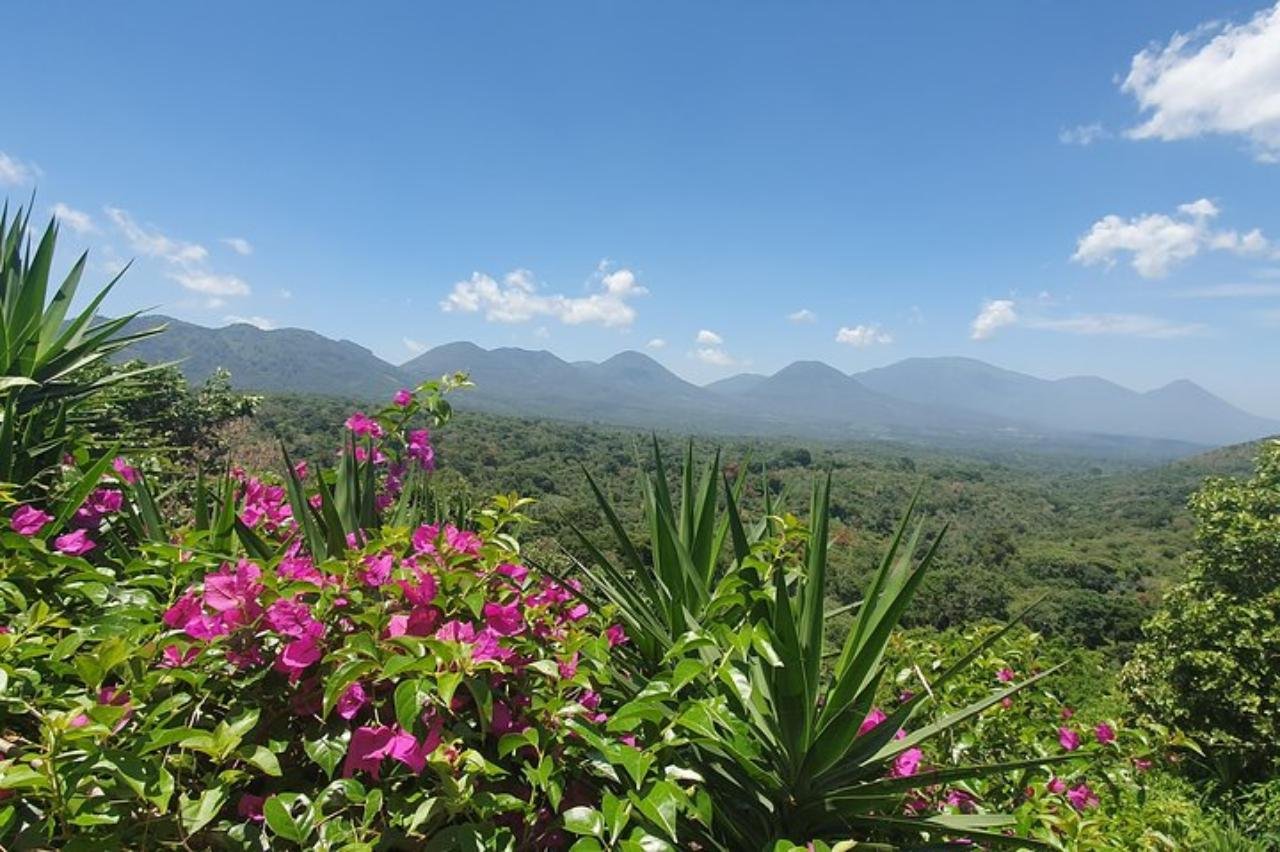
Discover colorful mountain villages, vibrant markets, and authentic coffee culture in El Salvador's highlands
Reserve
Hand-picked by our editors — only the best 5 experiences from 12 reviewed
Verified partners for every tour, free cancellation where available, and instant confirmation on every booking.
9 hr
Discover colorful mountain villages, vibrant markets, and authentic coffee culture in El Salvador's highlands
Reserve
8 hr
Journey through El Salvador's most picturesque colonial villages with coffee tastings and artisan encounters
Reserve
8 hr
Experience El Salvador's artistic mountain towns, natural hot springs, and scenic coffee country
ReservePrices from verified partners. Availability updates in real time at checkout. Free cancellation policies apply where shown.
The landmarks, rooms, and views travelers on this tour remember — all visible on a single visit.
Historic mill housing original 1930s machinery used for processing coffee cherries
Large sun-drying areas where coffee beans are spread to dry under the mountain sun
Lush shade-grown plantation environment featuring native bird species and bourbon coffee trees
Original century-old plantation house offering a look at historical estate architecture
On-site restaurant where visitors can sample gourmet coffee in a mountain setting
They complement each other; most visitors who do both find the traditional El Carmen coffee tour ataco el salvador more educational, while Finca Albania offers a more adrenaline-fueled visit.
| Feature | Top pick El Carmen Estate | Finca Albania |
|---|---|---|
Experience Type |
Educational plantation tour | |
Primary Focus |
Coffee processing and heritage | |
Physical Activity Level |
Moderate walking | |
Ideal For |
Culture and history enthusiasts | |
Atmosphere |
Serene and professional | |
Adventure Level |
Low (walking tour focus) | |
| See tickets → |
Verdict: If you seek an authentic look at local agricultural traditions, book your coffee tour ataco el salvador tickets; if you prefer obstacle courses and extreme swings, choose Finca Albania.
Choose your ticket, select your date, and reserve in under two minutes. Secure checkout handled by our verified partner.
Instant confirmation by email, with a mobile voucher you can save offline. No printing, no queuing at a collection desk.
Arrive at the entrance, show your voucher on your phone, and walk in. Most tickets include priority or skip-the-line access.
Practical details for your visit straight from our verified partners — hours, access, rules, and how to get there.
Wear comfortable walking shoes suitable for gravel plantation paths and consider layers for changing mountain temperatures.
Small daypacks are recommended. Large luggage should be left at your accommodation in Ataco.
Photography is permitted throughout the plantation and mill, though please respect private signage near active machinery.
Portions of the farm involve uneven terrain and steep paths, which may be challenging for visitors with limited mobility.
Children are welcome on the plantation. We suggest the standard coffee tour ataco el salvador walk as it is engaging for younger visitors.
Café Tin is located on the estate and serves regional dishes. Water stations are available near the main facility.
Best time to go, insider tips, nearby landmarks, and the cancellation fine print — flip through to skim what matters to you.
Flexible, no hidden fees.
Full refunds are typically available for bookings cancelled at least 24 hours in advance. Please confirm specific terms regarding the 6 USD entrance fee when booking your tour directly.
Concepción de Ataco sits at 1,240 meters on the volcanic slopes of the Apaneca-Ilamatepec range, where altitude and mineral-rich soil create one of Central America's narrowest windows for high-grade arabica cultivation. The town's surrounding fincas have grown Bourbon varietal coffee since the late nineteenth century, when German and French planters recognized that the microclimate between 1,100 and 1,400 meters delivered the acidity and body European roasters demanded. By 1920, El Salvador exported more coffee per square kilometer than any nation in the hemisphere. Today, estates like El Carmen preserve the wet-processing method introduced in that era: ripe cherries are depulped within hours of harvest, fermented in tile-lined tanks for twelve to eighteen hours, then washed in spring-fed channels before drying on clay patios. A coffee tour Ataco El Salvador offers direct access to working farms that balance commercial production with visitor education. You walk terraced plots where shade trees—typically inga, gravilea, or pepper—filter equatorial sun and drop nitrogen-rich leaf litter. Guides explain the forty-day window between flowering and cherry set, the hand-selection of red fruit, and the economic pressure to pick selectively rather than strip-harvest. The El Carmen estate, operational since 1890, runs a small roastery on-site, so visitors trace the bean from branch to cupped sample in a single morning. The mill building, constructed with German engineering blueprints, still uses gravity-fed water channels and hand-cranked depulpers alongside newer electric sorters. Ruta de las Flores, the scenic corridor linking Ataco to Nahuizalco and Apaneca, became a formal tourism route in 2008, but coffee tourism in the region predates that designation. Smallholder cooperatives began offering farm stays in the 1990s, and by 2010, agrotourism had become a revenue stream that stabilized farm incomes during price crashes. The Ataco coffee plantation tour model emphasizes process transparency: you see parchment-stage beans sorted by density in water tanks, watch workers manually remove defects under fluorescent grids, and taste the same lot in multiple roast profiles. No theatrical flourish—just the mechanics of how volcanic soil, careful fermentation, and drying time produce a cup with caramel and citrus notes. The estates open daily from eight to five, but morning visits between nine and eleven capture cooler temperatures and better light for photographing the canopy-shaded rows.

"The forty-day window between flowering and cherry set determines the harvest calendar for every finca on the Apaneca slopes."
A step-by-step walkthrough of the visit — what you'll see, how long each stage takes, and the details that matter.
You arrive at Km 97 on the Ahuachapán-Sonsonate highway, where a gravel lane climbs past a weathered finca gate into rows of coffee bushes under inga shade. Your guide hands you a ripe cherry—outer skin crimson, pulp sticky-sweet—and splits it to reveal two beans pressed face-to-face inside parchment. You walk terraces that step down the hillside, pausing where workers with woven baskets select only red fruit, leaving green cherries for next week's pass. The air smells of wet earth and fermenting pulp. Inside the mill, a diesel depulper strips skins in a mechanical rasp, funneling beans into fermentation tanks tiled in clay. Your guide dips a hand in, explaining how twelve-hour fermentation loosens the mucilage before spring water flushes the beans through sluices. On the drying patio, you rake parchment-stage coffee spread two inches deep, feeling the papery husk crackle under your palm. The roastery occupies a low building at the estate's center: you watch green beans tumble in a drum roaster, listen for the first crack at 196 degrees Celsius, then cup three roast levels—light, medium, dark—side by side. The cupping notes printed on the tasting card list caramel, red apple, and walnut. You leave with a bag of estate-roasted beans and a photo of the terraced rows dropping into morning mist.
The estate is open daily from 08:00–17:00. Tours can be arranged during these hours at El Carmen Estate.
The standard entrance fee for the farm and mill walk is 6 USD per person.
The best arrival window is 09:00–11:00 for optimal lighting and cooler temperatures at El Carmen Estate.
Yes, families are welcome to join the educational walks through the plantation at El Carmen Estate.
Photography is welcome, and the lush plantation backdrop is perfect for documenting your coffee tour ataco el salvador.
You can inquire about coffee tour ataco el salvador tickets by calling +50324505164 or visiting the official site at https://elcarmenestate.com.
Due to the steep and uneven terrain of the plantation, the standard coffee tour ataco el salvador is not fully accessible to wheelchairs.
Yes, Café Tin at El Carmen Estate provides meals for visitors following their coffee tour ataco el salvador.
You can explore the town of Concepcion de Ataco or visit nearby mountain viewpoints after finishing your coffee tour ataco el salvador.