9 hr
Ruta de Las Flores and Coffee Plantation Day Tour
Explore mountain villages, colorful murals, bustling markets, and a working coffee farm in El Salvador
Reserve
From volcanic soil to roasted bean, a working estate opens its gates
Hand-picked by our editors — only the best 3 coffee plantation experiences from 12 reviewed in El Salvador
Verified partners for Coffee Tour El Salvador tours, free cancellation where available, and instant confirmation on every booking.
9 hr
Explore mountain villages, colorful murals, bustling markets, and a working coffee farm in El Salvador
Reserve
8 hr
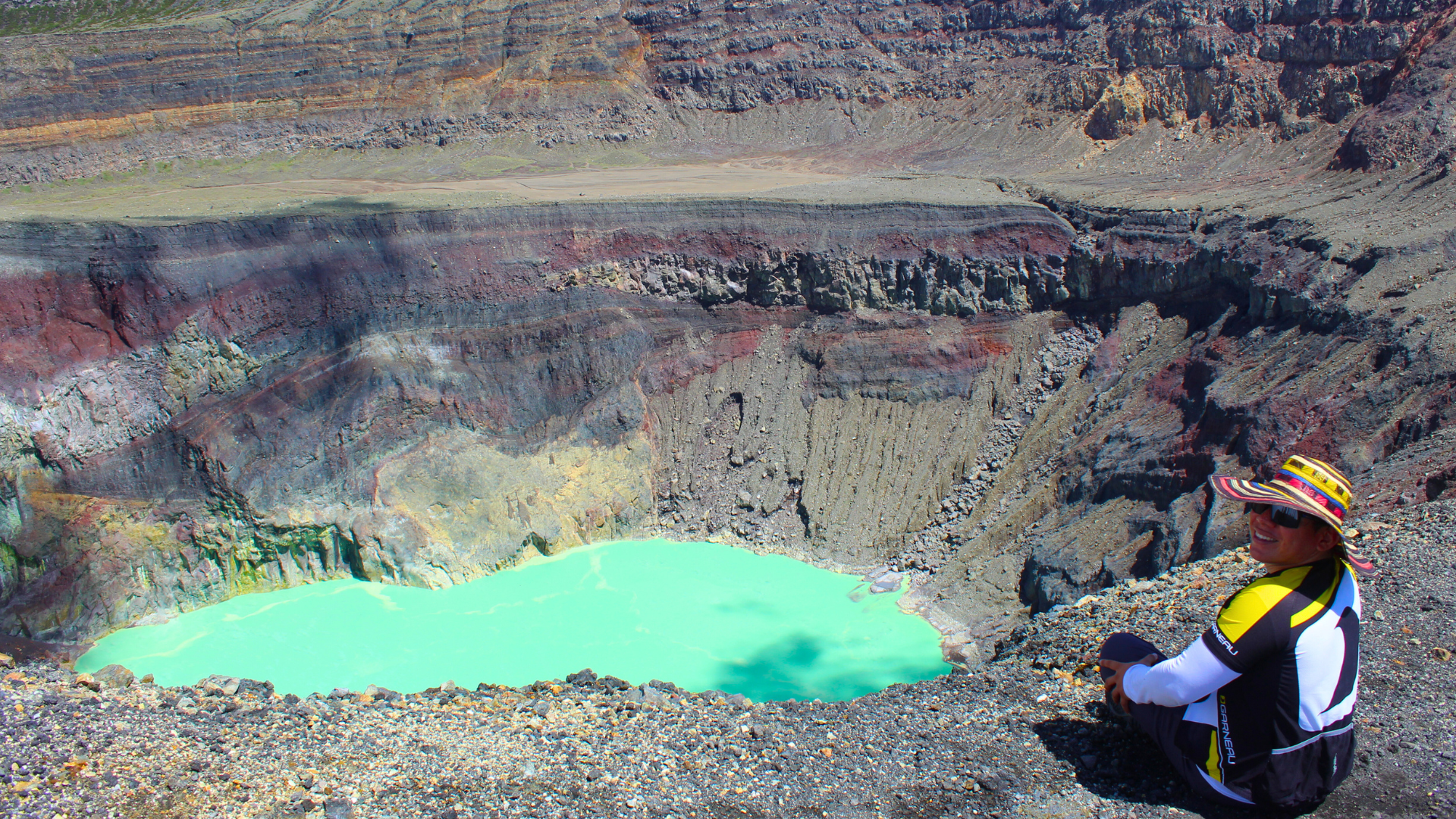
Journey through El Salvador's scenic mountain route with thermal waterfalls, vibrant murals, and coffee plantations
Reserve
8 hr
Journey through El Salvador's most picturesque mountain towns with cultural immersion and stunning vistas
ReservePrices from verified partners. Availability updates in real time at checkout. Free cancellation policies apply where shown.
The landmarks, rooms, and views travelers on Coffee Tour El Salvador tours remember — all visible on a single visit.
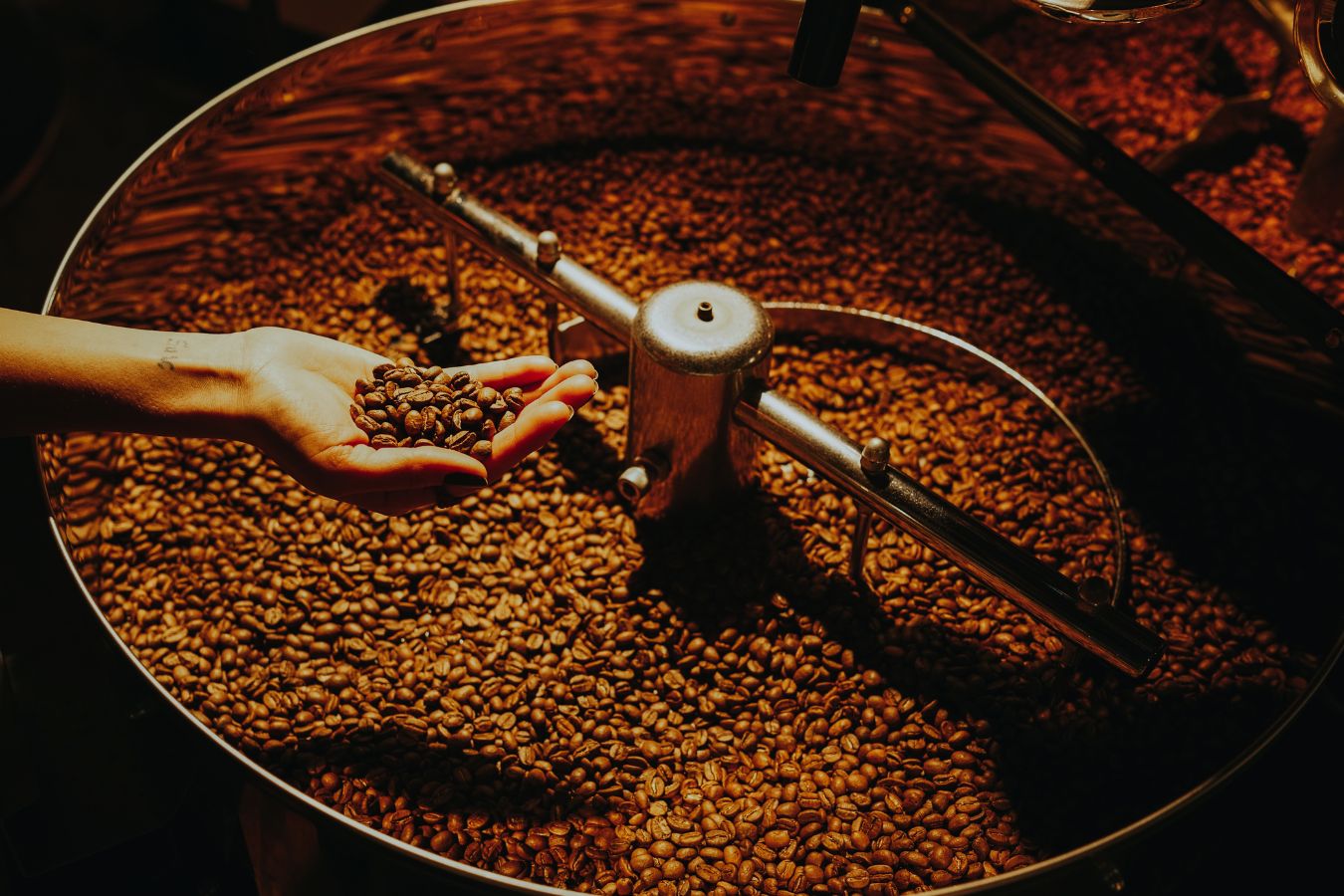
See vintage roasting machinery from the 1930s that remains in daily operation for processing coffee. This landmark showcases the evolution of production technology in the region.
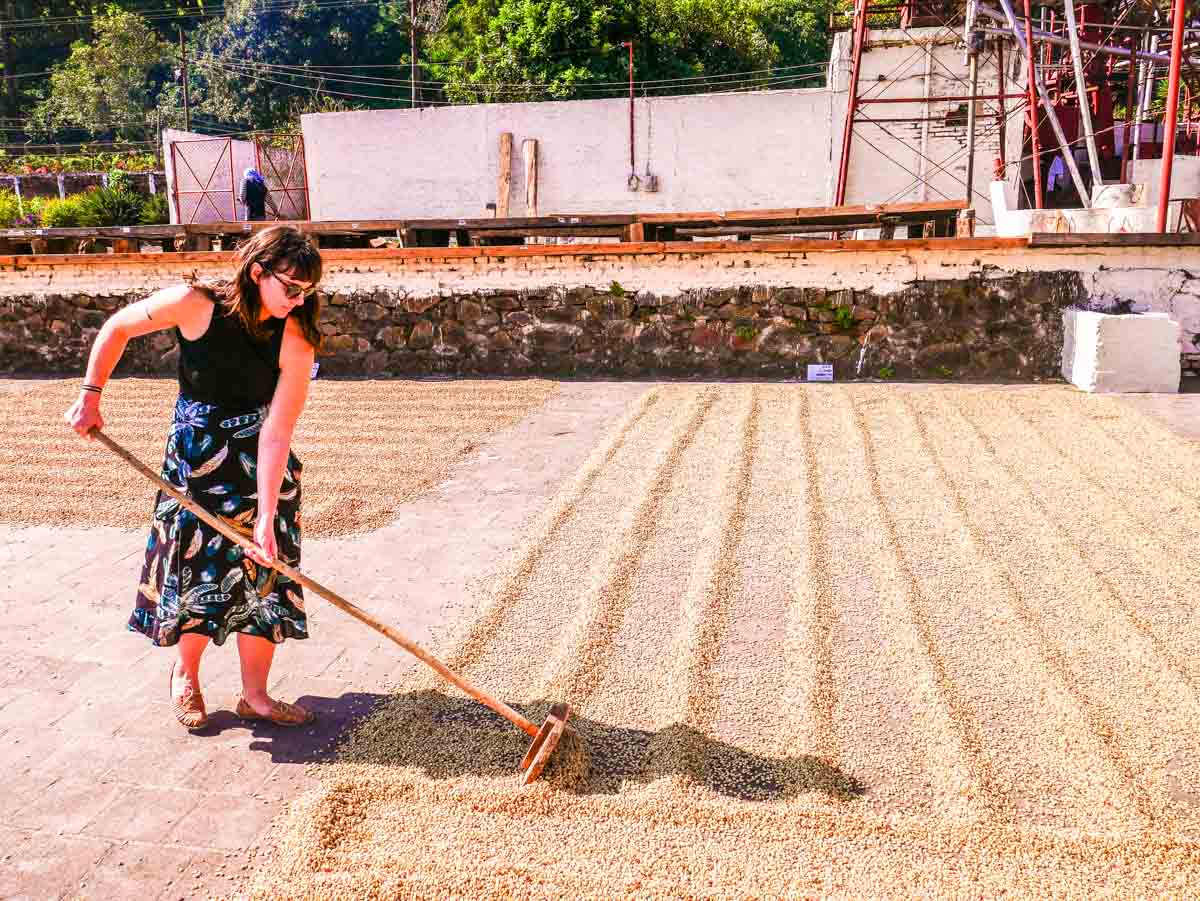
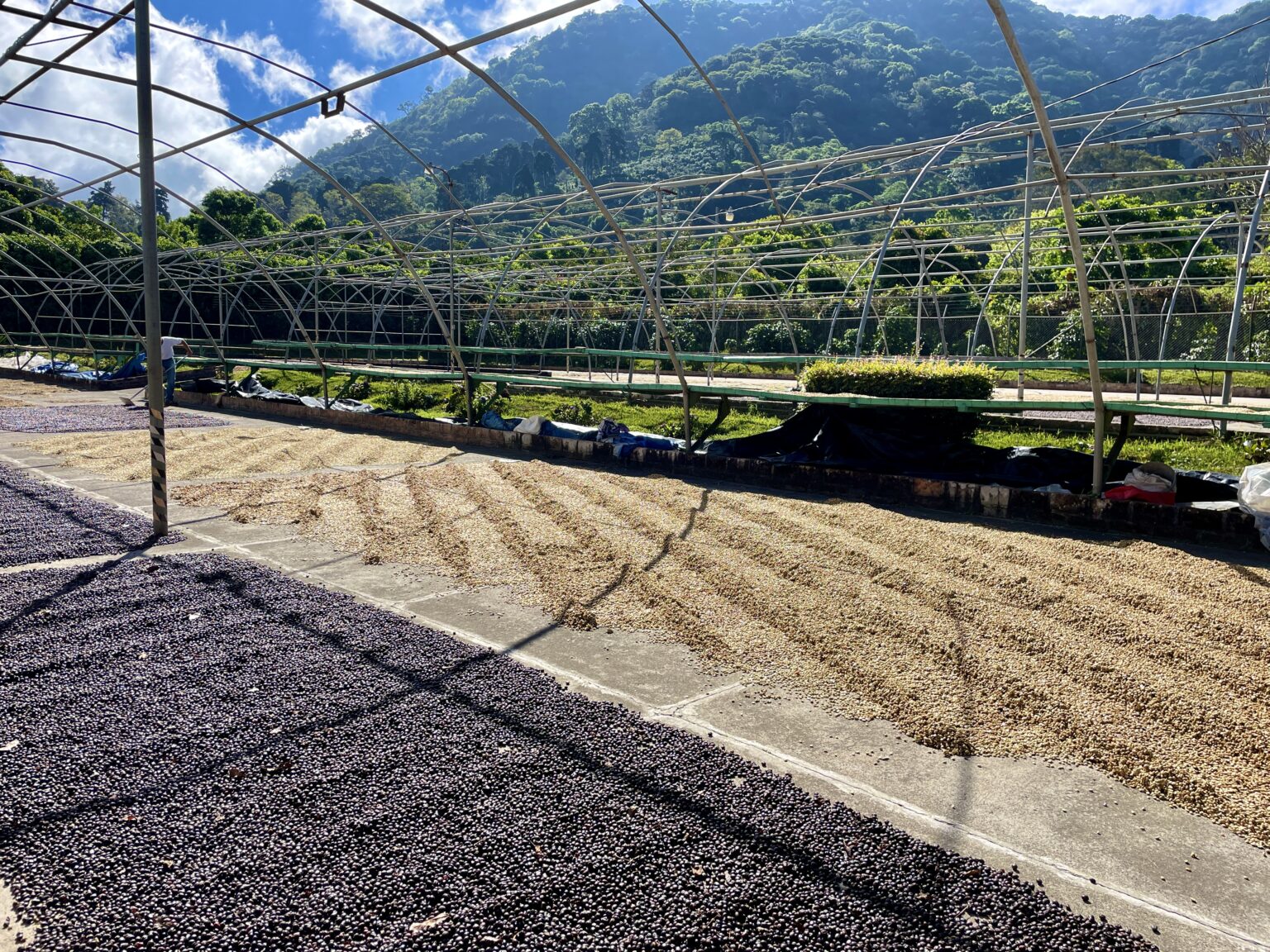
Walk across the vast sun-drenched patios where thousands of coffee beans are aerated by hand during the harvest. This massive outdoor space is essential to the quality of the final product.
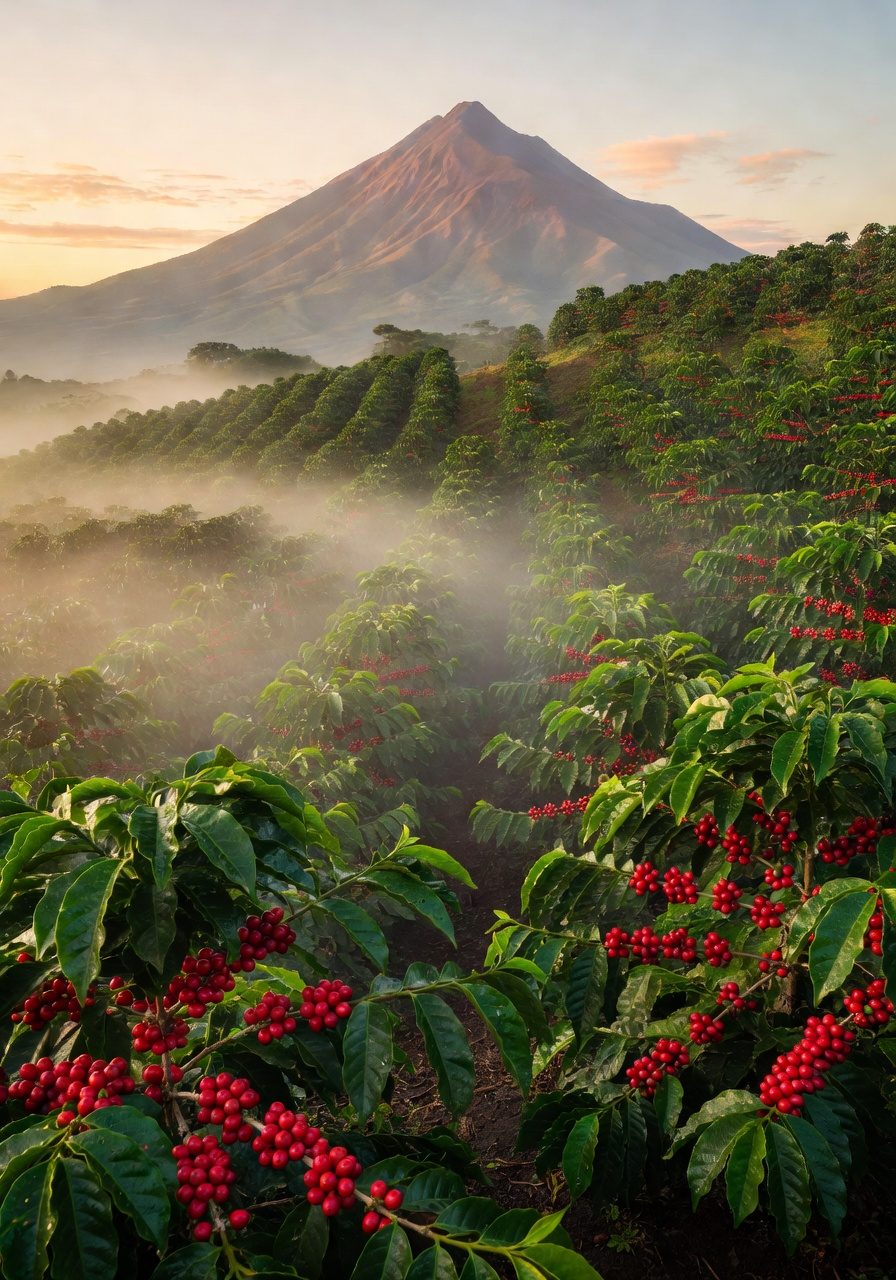
Explore the high-altitude canopy that shelters the coffee plants, creating a biological sanctuary for native bird species. This area represents the heart of the Apaneca-Ilamatepec coffee region.
Observe the century-old plantation house that serves as the centerpiece of the estate and reflects local architectural history. The structure has been carefully preserved to maintain its traditional aesthetic.
Learn the nuances of the roasting process, where beans are prepared for export or local enjoyment. This is where you can smell the rich, fresh aroma that defines the local Ataco gourmet experience.
Every Coffee Tour El Salvador tour side-by-side — duration, what's included, how you redeem.
| Experience | Duration | Rating | Skip-the-line | Guide | Small group | Free cancel. | Price | |
|---|---|---|---|---|---|---|---|---|
|
Guided Experience Most popular
Ruta de Las Flores and Coffee Plantation Day Tour
|
9 hr | ★ 4.5 | ✓ | ✓ | ✓ | ✓ | $99 | Book → |
|
Guided Experience
Ruta de las Flores: Thermal Falls, Artisan Towns & Coffee Country
|
8 hr | ★ 5.0 | ✓ | ✓ | ✓ | ✓ | €79 | Book → |
|
Guided Experience
Ruta de las Flores: Colonial Villages & Rainbow Slide Adventure
|
8 hr | ★ 4.9 | ✓ | ✓ | ✓ | ✓ | $90 | Book → |
All prices from verified partners. Availability and exact terms confirmed at checkout.
El Carmen Estate provides a comprehensive industrial heritage perspective, whereas Finca San Antonio offers an intimate, small-scale boutique farm encounter; they complement each other, and most visitors who do both call the former the more educational coffee tour el salvador.
| Feature | Top pick El Carmen Estate | Finca San Antonio |
|---|---|---|
Experience Type |
Industrial heritage and mill tour | Boutique family-run farm visit |
Focus |
Large-scale production and processing | Small-batch artisanal cultivation |
Difficulty |
Low - flat terrain | Moderate - sloping hillside paths |
Price |
6 USD (summer) | 10 USD (summer) |
Duration |
1 hour | 1.5 hours |
Atmosphere |
Professional and historic | Quiet and rural |
| See tickets → |
Verdict: Choose El Carmen Estate for a deeper look at global export infrastructure or Finca San Antonio for a localized view of coffee tour el salvador tours, keeping in mind that your choice of coffee tour el salvador tickets depends on whether you prioritize large-scale processing or hands-on agriculture.
Choose your ticket, select your date, and reserve in under two minutes. Secure checkout handled by our verified partner.
Instant confirmation by email, with a mobile voucher you can save offline. No printing, no queuing at a collection desk.
Arrive at the entrance, show your voucher on your phone, and walk in. Most tickets include priority or skip-the-line access.
Practical details for Coffee Tour El Salvador tickets straight from our verified partners — hours, access, rules, and how to get there.
Wear comfortable walking shoes suitable for gravel paths and uneven terrain on this coffee tour el salvador. A light jacket or layers are recommended due to the cool mountain climate of the Apaneca-Ilamatepec range.
Standard backpacks are permitted, but please keep belongings secure while walking through the working mill areas. Larger luggage can be stored at the reception during your coffee tour el salvador.
Photography is encouraged throughout the farm and mill facilities. Capture the vintage machinery and the lush coffee forest surrounding the estate during your coffee tour el salvador.
The estate terrain is rugged and includes steps and inclines consistent with a working farm. Visitors should be prepared for moderate physical activity during this coffee tour el salvador.
Mobile phones are permitted. Keep ringer off inside exhibition spaces.
This location is family-friendly and offers an educational look at coffee processing. Children can enjoy the open garden spaces while parents participate in the coffee tour el salvador.
Enjoy a fresh cup of coffee included with your tour or visit the on-site restaurant for traditional meals. Refreshments are a hallmark of the premium coffee tour el salvador experience.
Pets are not allowed, with the exception of service animals with appropriate documentation.
Last entry is typically 1 hour before closing. Check the specific ticket for timing.
Best time to go, insider tips, nearby landmarks, and the cancellation fine print — flip through to skim what matters to you.
Flexible, no hidden fees.
Full refunds are typically available for cancellations made at least 24 hours in advance. Please verify specific terms for the 6 USD entrance fee when booking your coffee tour el salvador.
El Salvador produces less than one percent of the world's coffee volume, yet its high-altitude Bourbon arabica commands prices triple the commodity average on specialty markets.
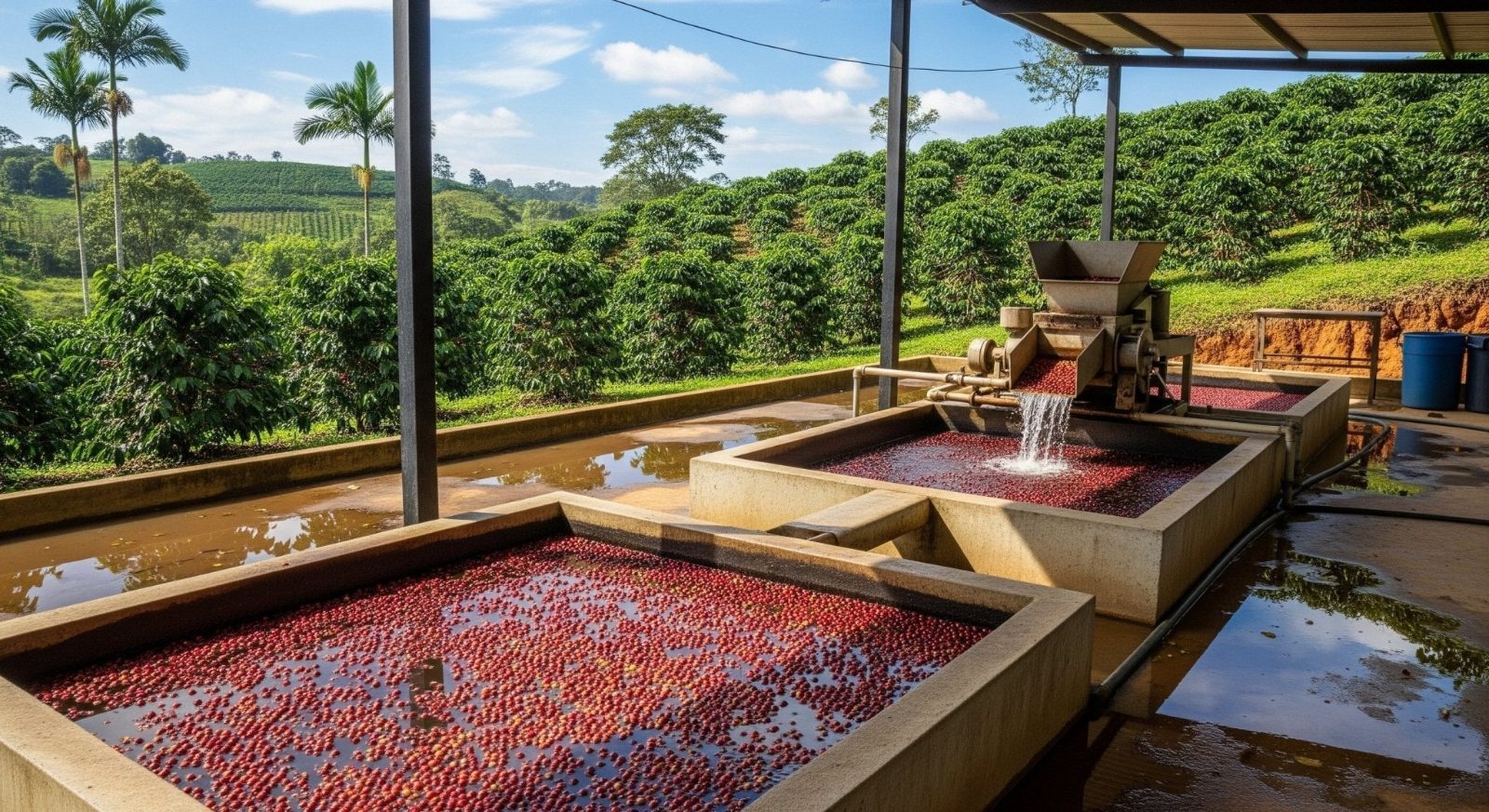
The country's volcanic cordillera, running northwest to southeast, creates microclimates where beans ripen slowly at elevations between 1,200 and 1,800 meters. El Carmen Estate in Concepción de Ataco sits at the heart of this geography, a working finca established in the late nineteenth century when German and British agronomists first planted coffee seedlings across the Apaneca-Ilamatepec range. The estate's beneficio húmedo—wet mill—still uses gravity-fed channels to separate pulp from parchment, a technique unchanged since the 1920s.
Ruta de las Flores emerged as a coffee tourism corridor only in the past two decades, but the plantations predate the highway. Coffee farm tour El Salvador itineraries typically focus on harvest mechanics and cupping sessions, yet few estates open their processing infrastructure to visitors. El Carmen distinguishes itself by maintaining both cultivation and milling operations on-site, allowing guests to trace the supply chain from cherry to green bean within a single hour. The estate grows Pacamara and Bourbon cultivars under native shade trees—chalum, pepeto, and gravilea—that regulate temperature and protect topsoil during the November-to-March dry season.
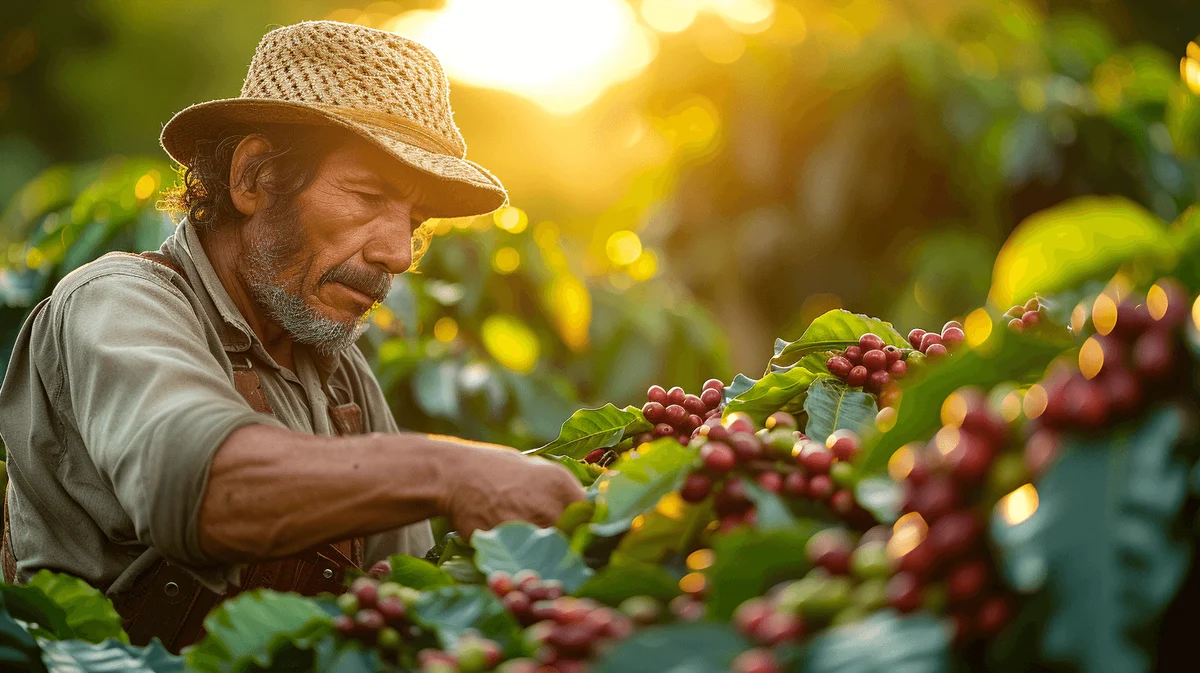
The best coffee tour El Salvador experiences occur during cosecha, the January-through-March harvest, when pickers work the hillsides and the mill runs continuously. Off-season tours reveal fermentation tanks, drying patios, and sorting tables without the sensory overload of peak production. Guides explain terroir in concrete terms: soil pH, cherry brix levels, fermentation duration. The estate's cupping lab, installed in 2019, allows side-by-side comparison of lots from different altitudes. Visitors sample the same varietal processed as washed, honey, and natural, illustrating how post-harvest handling shapes flavor as much as origin. El Carmen's commitment to transparency extends to pricing—farmers here receive direct payment rather than working through cooperative middlemen, a model that preserves margins and stabilizes employment across seasons.
Coffee plantation tour El Salvador options have proliferated along the Ruta, but infrastructure varies widely. Some fincas offer only cupping; others walk visitors through shade canopies without explaining agronomic choices. El Carmen integrates both, presenting coffee as an engineered crop rather than a romantic backdrop. The estate's location in Ataco positions it within walking distance of artisan markets and colonial architecture, but the tour itself remains focused on production. No gift shop, no folklore performance—just the mechanics of how 4,000 trees yield 12 metric tons of export-grade green coffee each year.

"El Salvador produces less than one percent of the world's coffee volume, yet its high-altitude Bourbon arabica commands prices triple the commodity average on specialty markets."
A step-by-step walkthrough of Coffee Tour El Salvador tickets — what you'll see, how long each stage takes, and the details that matter.
You arrive at El Carmen Estate's gravel entrance off the Ataco road, where a guide meets you beside a hand-painted map showing the estate's 22 hectares. The tour begins uphill, along a footpath shaded by chalum trees planted in the 1940s. Coffee bushes grow in staggered rows, their waxy leaves filtering morning light.
Your guide stops at a Pacamara plant, its cherries still green in August, and explains the nine-month cycle from flowering to harvest.
Ten minutes later you reach the beneficio, a corrugated-roof structure where the wet mill's concrete channels slope toward fermentation tanks. During harvest these channels run red with pulp; today they're dry, but the guide demonstrates how water pressure separates defective cherries from ripe ones. You move to the drying patios—raised beds covered in mesh—where parchment coffee spends ten to fourteen days turning from ivory to tan. The guide hands you a sample: the parchment cracks between your fingers, revealing the green bean inside.
The tour ends in the cupping lab, a dim room with a long wooden table and twelve white porcelain bowls. You taste three lots from the same January harvest, each processed differently. The washed coffee tastes clean, almost citric. The honey process brings caramel forward. The natural lot carries fermenting-fruit notes that divide the group. Your guide explains brix levels and drying curves while you sip. The session lasts twenty minutes. No souvenir pitch follows—just a handshake and directions back to the main road.
El Carmen Estate is open daily from 08:00–17:00.
The standard entrance fee for a guided farm and mill tour is 6 USD.
The best arrival window is 08:00–14:00 to complete the 1-hour tour before operations conclude.
You can visit the official site at https://elcarmenestate.com for information on booking your coffee tour el salvador tickets.
Yes, the farm is family-friendly and offers a great educational environment for visitors of all ages.
Bring comfortable walking shoes, a light jacket, and a camera for your coffee tour el salvador.
There are no specific photography restrictions, and you are welcome to capture the beauty of the plantation.
El Carmen Estate is located in Concepción de Ataco and is easily accessible by car or local taxi.
The 6 USD fee includes a guided tour of the farm and mill, covering the transformation process from bean to cup.
Yes, the on-site restaurant serves traditional Salvadoran dishes perfect for after your coffee tour el salvador.